Capability

Project specific containment systems for critical works

Every SESA system is scoped around the structure, the work happening inside the enclosure, the exposure it will face and the program it has to support. The six areas below cover the work SESA takes on.

Service 01

Scaffold encapsulation

Installation of shrink wrap containment systems over suitable scaffold structures. The film is heat welded, sealed and tensioned to the scaffold to form a controlled work area for the trades operating behind it.

Applications

  • Full building encapsulation
  • Temporary weather protection
  • External workface protection
  • Trade separation
  • Dust and debris control
  • Controlled work areas
  • Protection of unfinished structures
  • Protection of internal trades
  • Temporary site enclosures
Interface. SESA installs the containment system to the project's scaffold or supporting structure and coordinates directly with the scaffold contractor on tie in points, sequencing and access. Where scaffold is not yet erected, SESA advises on what the containment system requires from it.
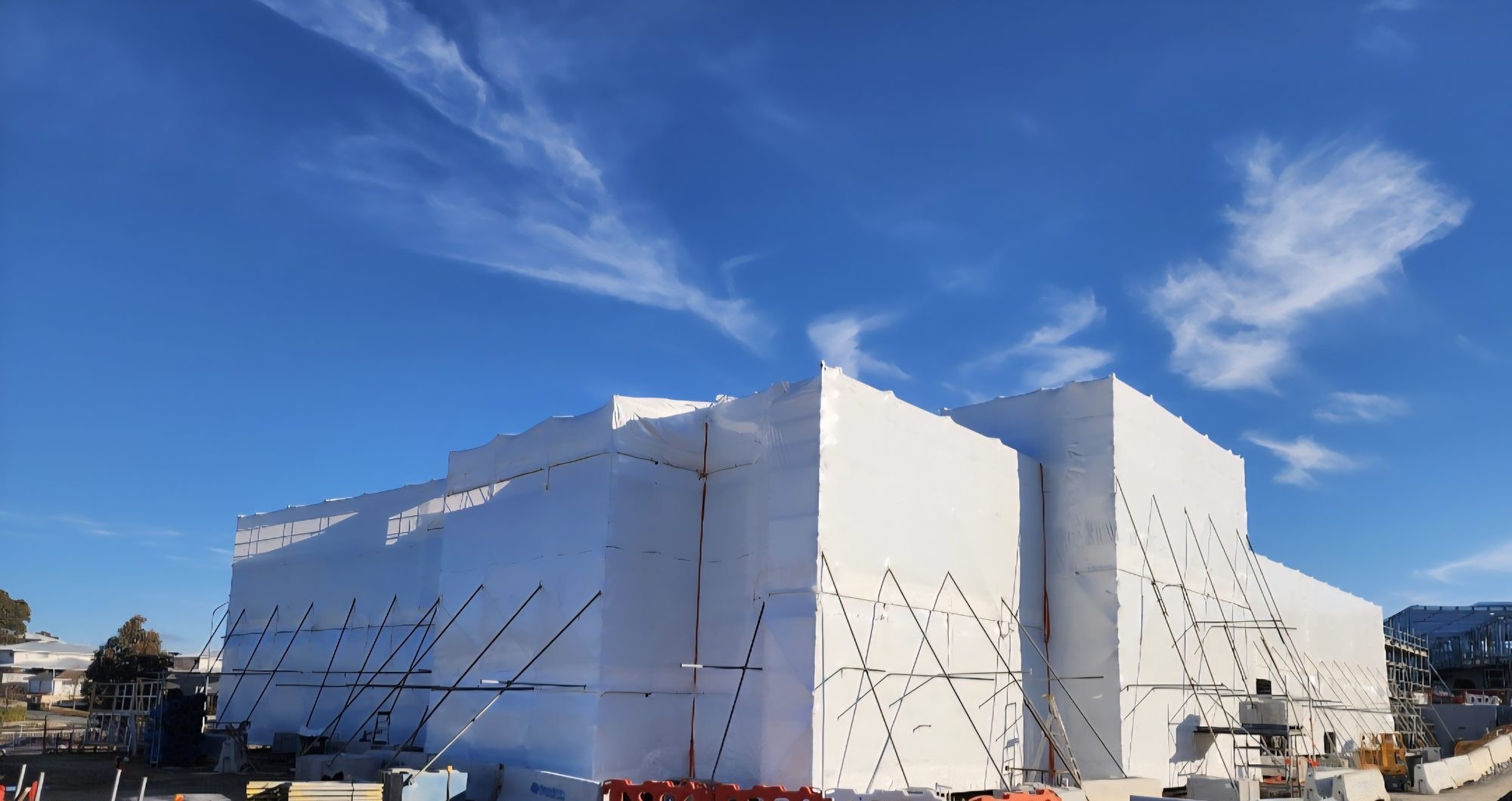
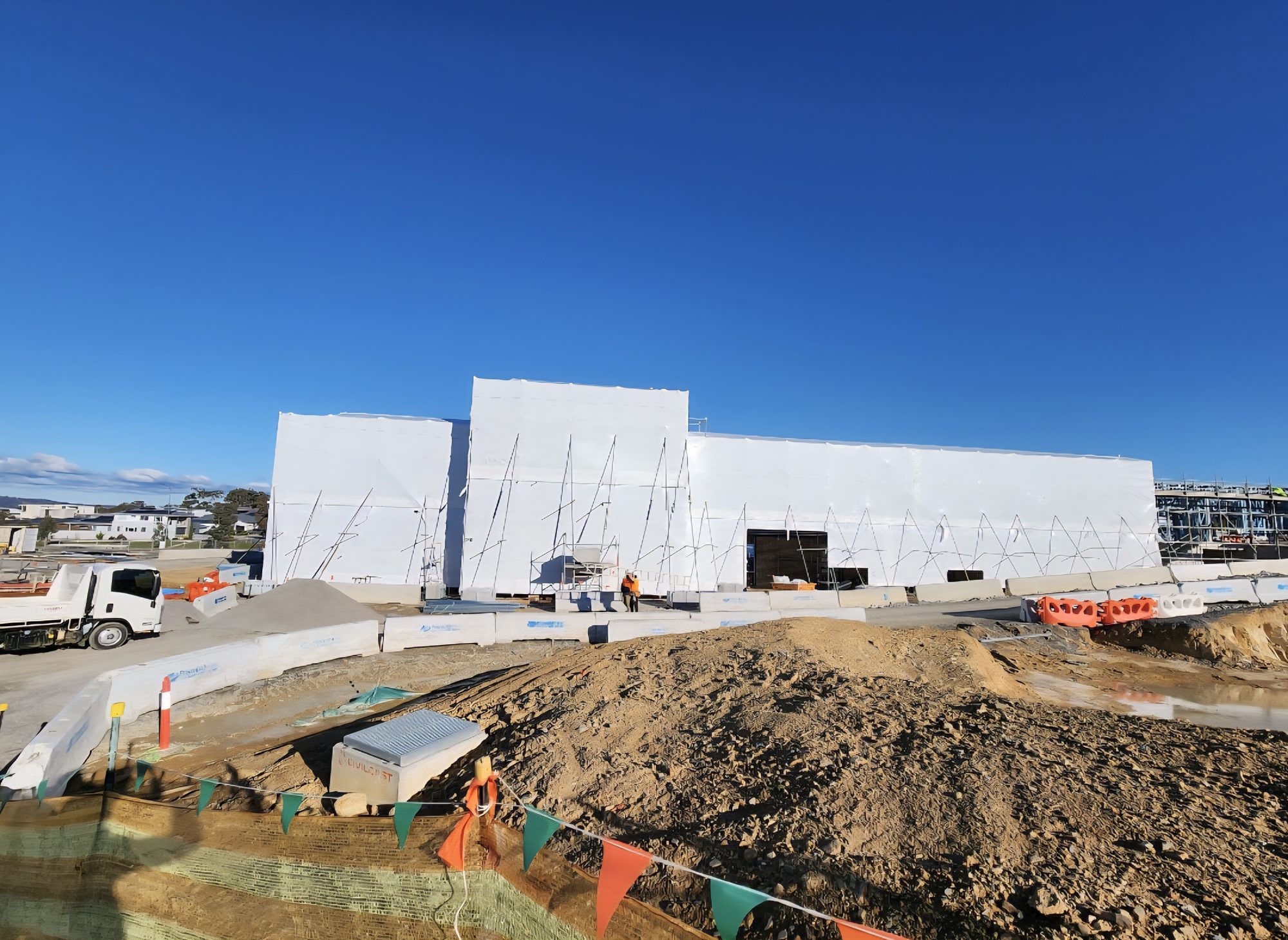
Full building shrink wrap encapsulation installed over perimeter scaffold
Service 02

Weather protection and temporary enclosures

Shrink wrap weather protection systems designed to reduce exposure to rain, wind, UV, dust, moisture and general environmental conditions so work can continue in conditions that would otherwise stop it.

Applications

  • Temporary weatherproof work zones
  • Covered access areas
  • Dry internal work environments
  • Temporary roof or wall protection
  • Protection of exposed construction areas
  • Temporary enclosures for maintenance works
  • Protection during shutdowns
  • Protection of stored equipment or materials

Commercial value

  • Reduces weather related downtime
  • Protects critical path activities
  • Allows internal and finishing trades to continue
  • Helps prevent water damage and avoidable rework
  • Protects labour productivity and supports greater program certainty
Scoped to the conditions. Protection level is designed around the structure, the scaffold and the exposure the enclosure has to handle. That is confirmed with you at assessment so the system matches what the project will actually see.
Temporary weather protection enclosure over an exposed building under construction
Service 03

Hazardous work containment

SESA provides containment systems for blasting, coating, remediation and other controlled activities. We work alongside the project's specialist contractors to establish enclosed work zones and improve separation from surrounding areas.

Containment can support work involving

  • Lead based paint and coatings
  • Abrasive blasting
  • Industrial coating removal
  • Painting and recoating
  • Silica generating activities
  • Dust and debris
  • Contaminated work zones
  • Remediation activities
Demarcation. SESA designs, supplies, installs and maintains the containment system for the duration of the works. The licensed activities inside the enclosure, including lead removal, asbestos removal, abrasive blasting, industrial painting, hazardous material remediation, environmental testing, occupational hygiene services and clearance inspections, are performed by the project's licensed contractors. Clear demarcation is what keeps responsibilities unambiguous and the enclosure compliant.
Built to the project's controls. Containment level is set by the project design, scaffold structure, work method, contaminants, ventilation requirements, environmental controls and client specifications. SESA builds the system to those requirements and adjusts it where the method changes.
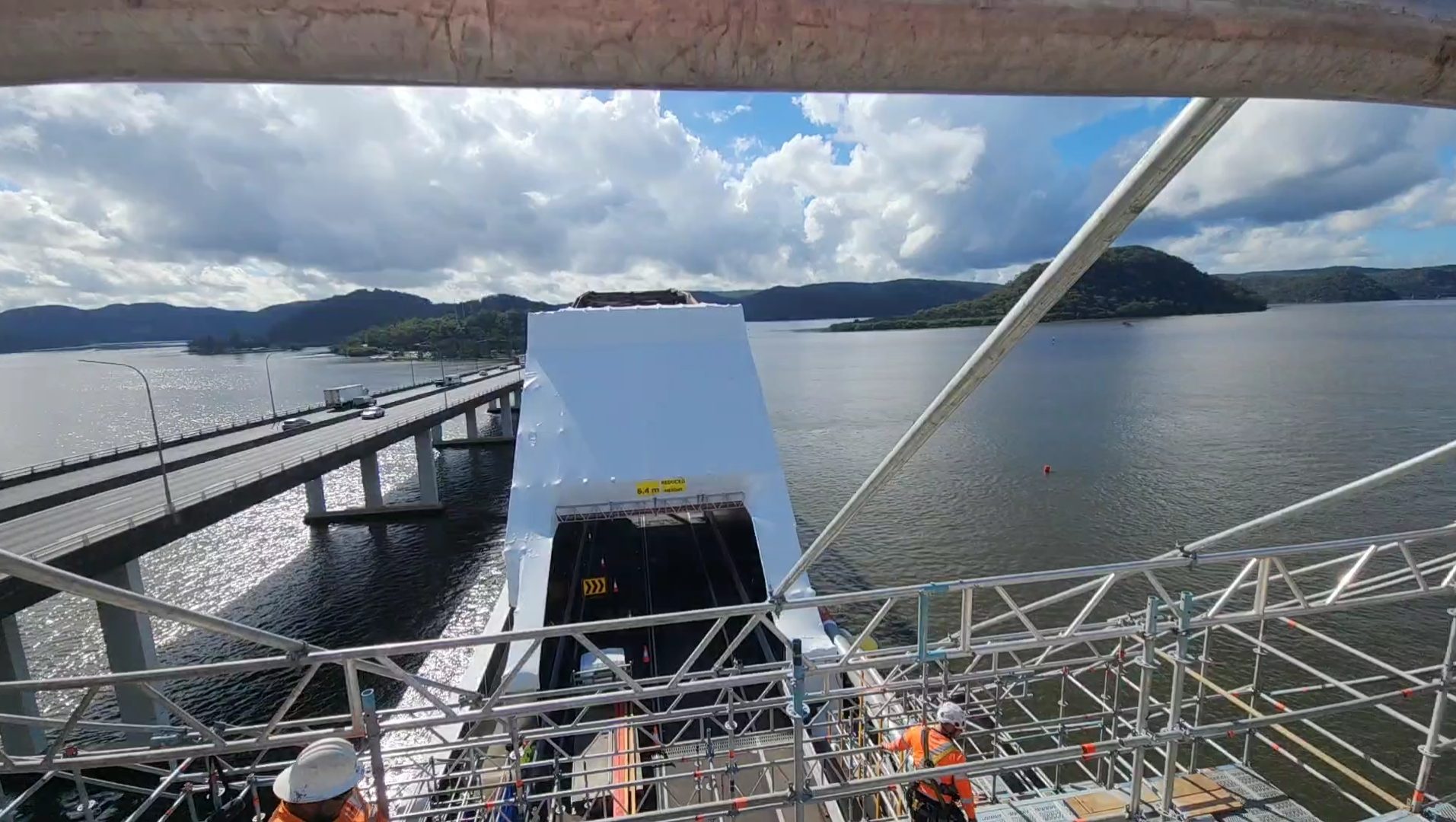
Containment established on bridge steelwork to support coating removal activities
Service 04

Asset, plant and equipment protection

Temporary shrink wrap protection installed around plant, machinery, structural components and materials that need to be kept clean, dry and separated from surrounding work.

Typically applied to

  • Plant and machinery
  • Industrial equipment
  • Structural components
  • Construction materials
  • Mechanical equipment
  • Infrastructure components
  • Exposed building elements
  • Items in transport or storage
  • Equipment undergoing maintenance

Purpose

  • Weather, dust and moisture protection
  • Surface protection and temporary storage protection
  • Separation from surrounding work
  • Protection during construction or shutdown activities
Scoped to duration. These systems are specified for the protection period the project requires. Where a project carries defined long term preservation requirements, those are confirmed at scoping so the specification matches them.
Service 05

Complex and custom encapsulation

Containment around complex, irregular and difficult to access environments where a standard approach does not apply. Each of these projects is assessed individually before any commitment is given.

Environments

  • Bridges
  • Buildings
  • Vertical shafts
  • High bay structures
  • Elevated work areas
  • Industrial facilities
  • Structural steel
  • Concrete structures
  • Conveyor systems
  • Pipework
  • Exposed infrastructure
  • Internal work zones
  • Live construction environments

What the assessment accounts for

  • Existing scaffold
  • Access points
  • Work sequencing
  • Structure shape
  • Wind exposure
  • Material selection
  • Duration of installation
  • Interface with other trades
  • Ventilation
  • Emergency access
  • Exclusion zones
  • Environmental requirements
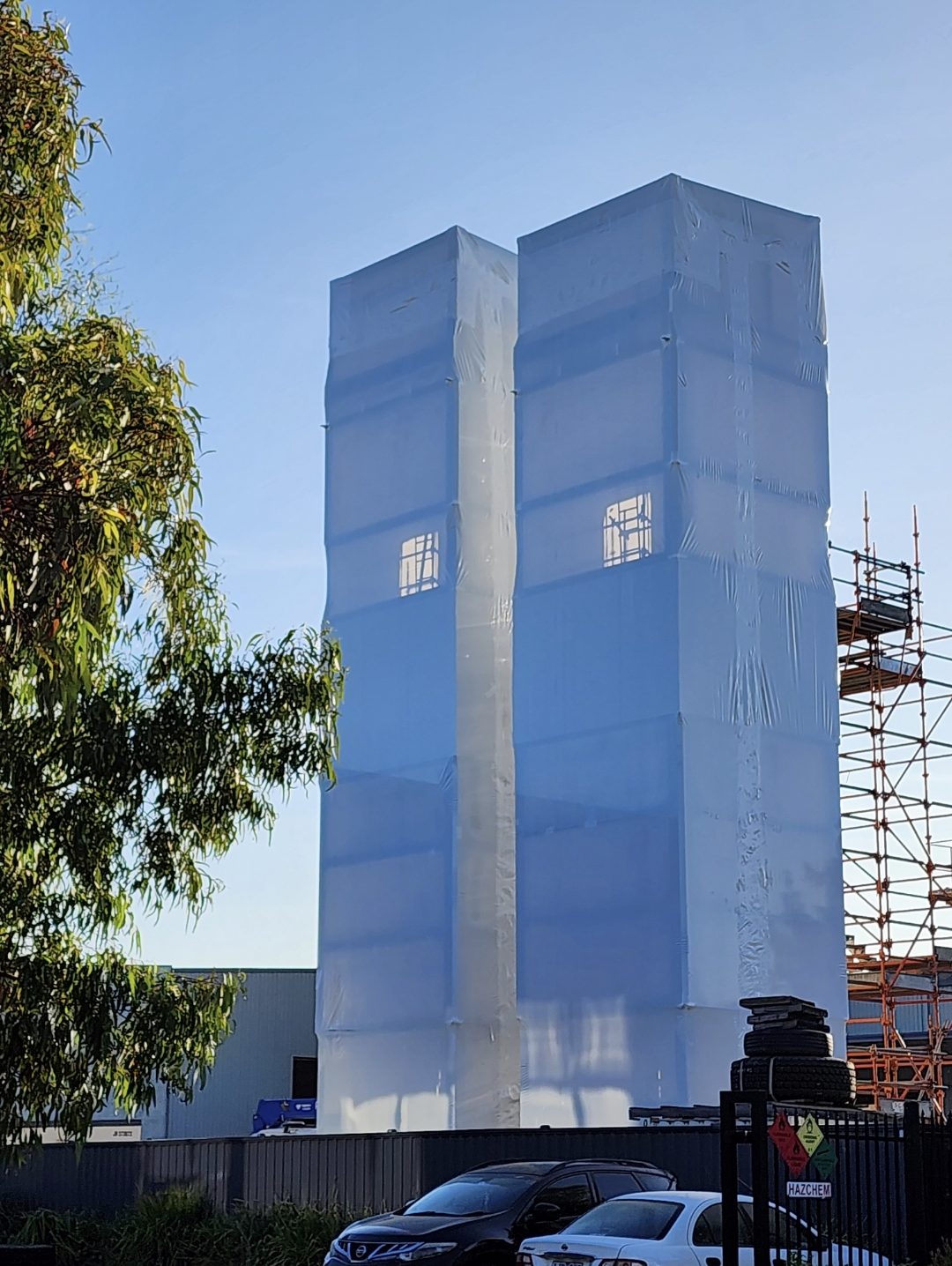
Vertical shaft encapsulation formed around an irregular structure
Service 06

Temporary industrial protection systems

Project specific temporary shrink wrap structures formed using suitable existing frameworks, scaffold or structural interfaces, for works that need an enclosed environment for a defined period.

Applications

  • Industrial maintenance
  • Shutdown works
  • Temporary equipment protection
  • Maintenance enclosures
  • Sensitive work activities
  • Temporary work areas
  • Weather sensitive construction
  • Internal separation zones
Temporary by design. These systems are built off the project's existing framework, scaffold or structural interfaces, and are removed on completion.
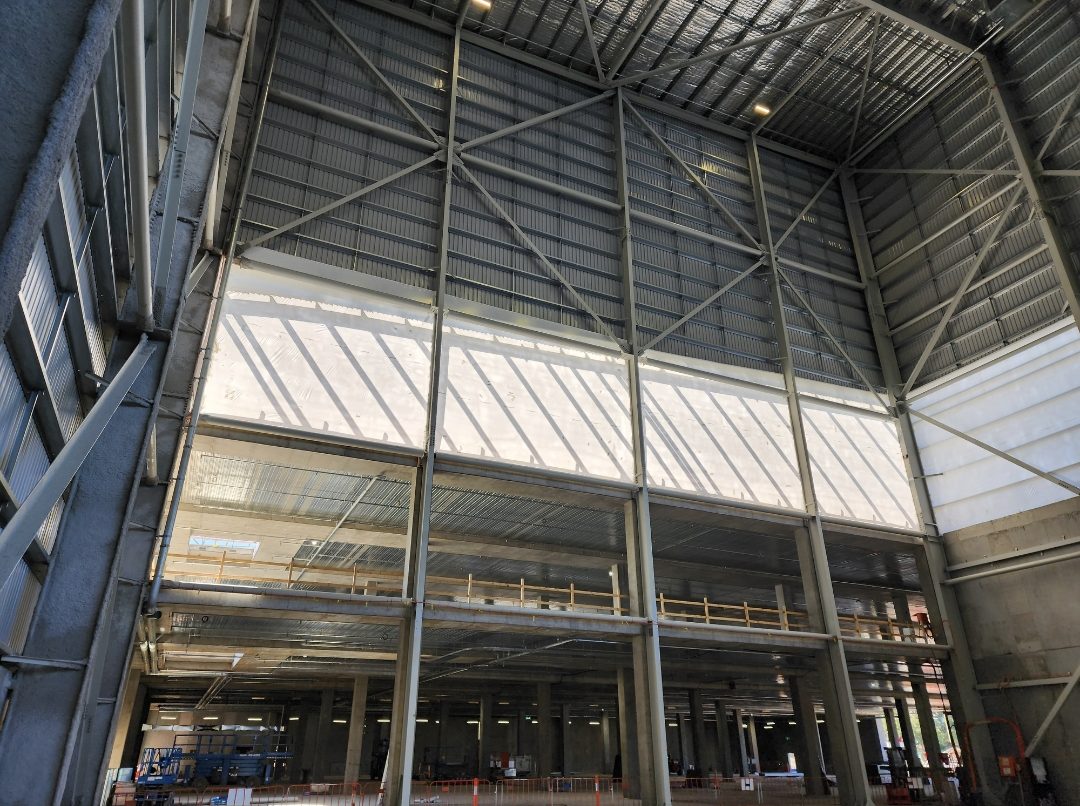
Temporary enclosure closing the upper elevation of a high bay structure
Technical

Materials and installation methods

  • UV stabilised shrink wrap film
  • Film thickness generally ranging from approximately 180 microns to 280 microns or more, depending on project requirements
  • Flame retardant film options where specified and available
  • Heat welded seams and sealed joins
  • Tensioned installations
  • Systems suitable for extended exposure where properly scoped
  • Integration with scaffold
  • Integration around structural steel
  • Integration around concrete interfaces
  • Formation of access points
  • Project specific work zones
  • Internal and external applications
How performance is defined. Containment performance is specified against the actual project: the structure, the exposure, the work happening inside the enclosure and the duration it has to last. Where wind loading, structural capacity or engineering certification governs the design, SESA builds to the certification provided by the scaffold designer or project engineer. Film specification, sealing and containment level are scoped and confirmed in writing before work starts.

Not sure which system your project needs?

Describe the structure and the work happening inside the enclosure and you will get a direct assessment of whether containment is the right answer and whether SESA is the right contractor for it.

Speak directly with the owner 0402 003 110