
Industries

Containment applied to the sectors that cannot afford exposure

The technical problem changes with the sector. A rail shaft, a lead painted bridge, a conveyor in a coal handling facility and an open building frame all need containment for different reasons and under different constraints.

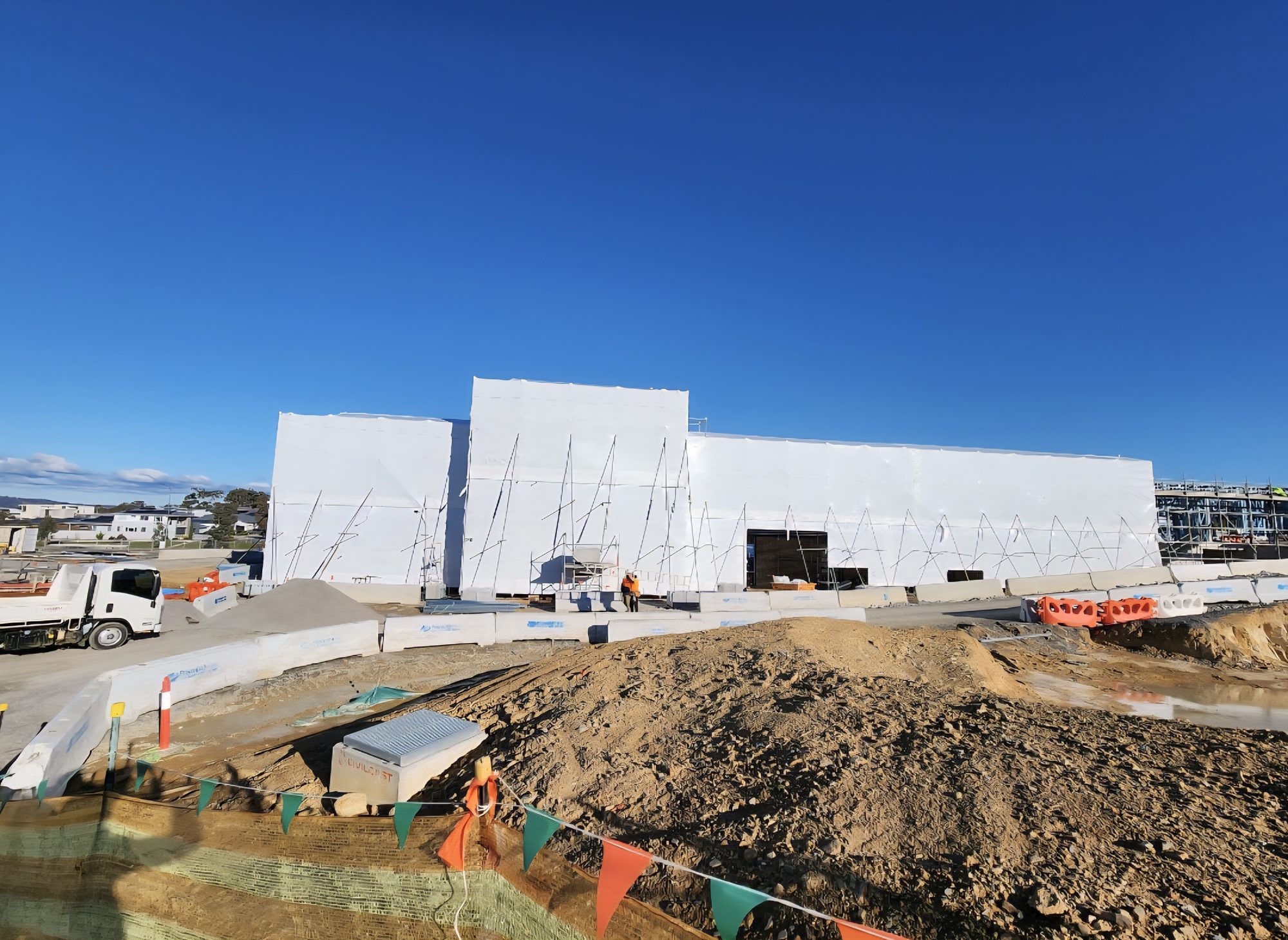
Full building encapsulation protecting an exposed structure on a construction site
Sector 01

Construction

On building projects the enclosure is usually protecting program. Once a structure is closed in, internal and finishing trades can keep working through weather that would otherwise send them home.

  • Full building encapsulation
  • Weather protection
  • Temporary work zones
  • Exposed structure protection
  • Trade continuity systems
Sector 02

Rail infrastructure

Rail work brings restricted possessions, tight access, live infrastructure and limited windows to get the job done. Containment has to go up and come down around the sequence rather than dictating it.

  • Shaft encapsulation
  • Temporary weather protection
  • Infrastructure maintenance containment
  • Protection of exposed work zones
Sector 03

Bridges and civil infrastructure

Bridge maintenance frequently involves removing old coatings, often lead based, above waterways, roads or rail. Containment is what keeps the debris in the work zone and out of the surrounding environment.

  • Lead paint containment
  • Blasting and coating enclosures
  • Weather protection
  • Complex structural wrapping
SESA installs the containment. The blasting, coating and remediation works are performed by the project's licensed specialist contractors.
Sector 04

Ports and bulk materials

Port and bulk handling assets are usually operational while the work happens. Containment separates the maintenance activity from live product movement and from the surrounding site.

  • Coal handling environments
  • Conveyor and equipment protection
  • Industrial maintenance containment
  • Asset protection
Sector 05

Mining and industrial facilities

Shutdown windows are fixed and expensive. Enclosures that let the work proceed regardless of conditions, and that protect equipment while it is opened up, are worth more than the film they are made from.

  • Shutdown protection
  • Plant and equipment wrapping
  • Maintenance enclosures
  • Dust and debris separation
Sector 06

Remediation and industrial coatings

Remediation and coatings contractors need a containment installer who understands how the enclosure will actually be used, where the access points need to be and how the work sequence runs.

  • Containment for lead related works
  • Blasting containment
  • Coating work zones
  • Debris separation
  • Environmental control support
Containment supports environmental control measures. It does not by itself guarantee regulatory or environmental compliance, which remains dependent on the work method, contaminants, ventilation, monitoring and project specifications.
Sector 07

Defence and sensitive infrastructure

Controlled sites require a contractor who follows site access requirements, keeps confidential information confidential and works without drawing attention to the site or the activity.

  • Controlled work environments
  • Discreet project delivery
  • Asset protection
  • Compliance with site access and confidentiality requirements
Sector 08

Water and utilities

Water treatment and utility infrastructure works often involve confined assets, coating renewal and weather sensitive activities where separation and temporary protection are required, usually while the facility keeps operating.

SESA's founder has delivered containment and encapsulation works at a water treatment facility in Queensland, forming temporary protection around plant and pipework within an operating treatment environment.

  • Temporary protection of plant and pipework
  • Enclosures formed around existing services
  • Containment for coating and recoating activities
  • Weather protection for exposed works
  • Work within operating treatment facilities
Photographs of the Queensland water treatment works are not published. See the experience page for the basis on which this work is described.
Who SESA works with

The people who usually make the call

Head contractors and builders

  • Tier 1 construction companies
  • Principal contractors
  • Civil and infrastructure contractors
  • Rail contractors

Asset owners and operators

  • Industrial asset owners
  • Port operators
  • Mining companies
  • Defence contractors
  • Government project delivery teams

Specialist contractors

  • Scaffolding companies
  • Industrial painting contractors
  • Abrasive blasting contractors
  • Remediation and maintenance contractors

Procurement managers, project managers, construction managers, site managers, engineers and environmental and safety teams are all welcome to make contact directly.

Tell us about the site and the sequence

The more you can share about the structure, the work happening inside the enclosure and the timing, the faster you will get a useful answer.

Speak directly with the owner 0402 003 110